

How They Survived the Concentration Camps

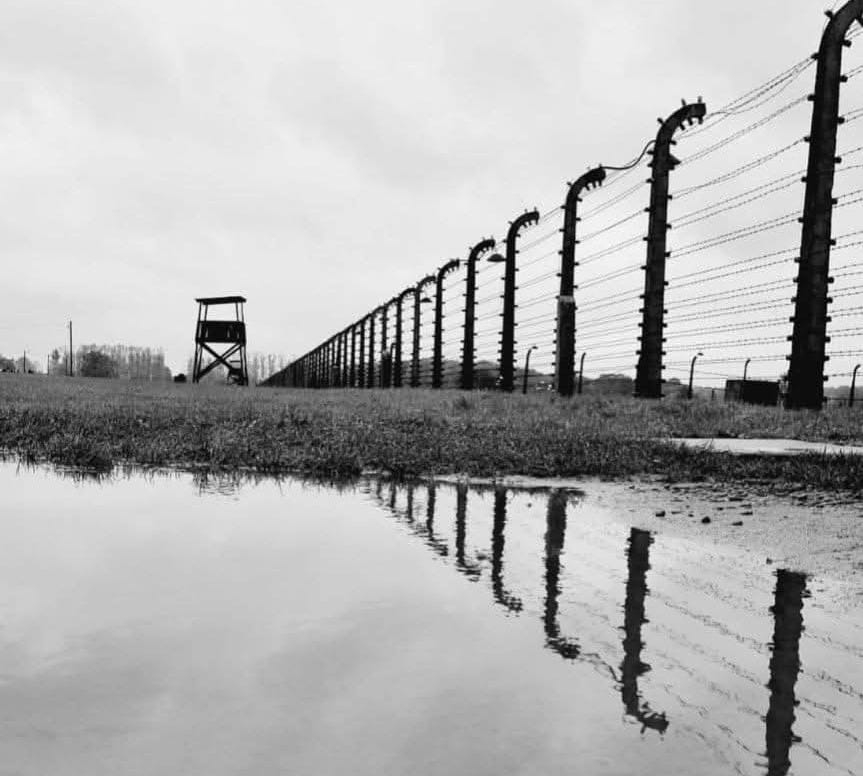
On International Holocaust Remembrance Day, I remember those who perished but also those who miraculously survived the darkest period of human history.
When you arrive at a Nazi concentration camp, such as Auschwitz-Birkenau, as you step out of the train car onto a platform, the first thing that occurs is that anything you brought with you is confiscated. It is taken to a warehouse ironically named Kanada because Canada was imagined to be a land of wealth and abundance. Confiscated goods were sorted and sent to Germany.
Then each person is examined by a Nazi doctor or officer while still on the train platform to determine if they could be used to support the German war effort. To the left went mothers with infants, children, the disabled, and older people. Typically about 80 percent of arrivals were directed to the left and later that day into gas chambers and crematoria. They were never registered because there was no desire to record genocide.
Those who were directed to the right received a temporary reprieve because the Germans intended that no one leave the camp alive. They were taken to a building where their clothing was confiscated and their heads and bodies shaved by other prisoners. The SS justified the practice as a measure to prevent the spread of lice which carried typhus. The hair was used to stuff mattresses or to make socks. But the real reason for the practice was to dehumanize and humiliate prisoners. This was particularly the case for Orthodox Jews because hair had religious and cultural significance.
Prisoners were taken naked to another building to be dipped into stinging chemical disinfectant or crowded into showers. Then they were assigned prisoner uniforms and a registration number. Men were provided with a striped jacket, thin trousers, a cap and a striped heavier jacket for winter. Women were given striped dresses. Everyone received uncomfortable wooden clogs. No underwear was provided. Nothing ever fit. It was the only clothing provided to a prisoner for duration at a camp.
At Auschwitz the registration number was tattooed onto your left arm by other inmates. At other camps the number was sewn onto your clothing. You were now only known by your number. The entire process designed to humiliate the inmates.
The camps were designed not only to kill the body, but to kill one’s soul and hollow out the mind. Prisoners were exposed to a steady stream of humiliation, physical abuse, back-breaking work, extreme weather, and a starvation diet.
Inmates were kept in barracks that often held three or four times the numbers they were designed for. The barracks had no heat and running water. Overflowing buckets served as latrines. Prisoners slept crammed together on wooden planks in three tiers. Those who were ill would contaminate the beds below them.
Food was thin soup and a scrap of bread. A substitute coffee was provided in the morning. Food was intentional inadequate as it was part of the Nazi policy of extermination through labour. The prisoners were provided with under 1,000 calories per day while the heavy labour they would be required to do would use up at least 3,000 calories.
Work meant freezing mud, endless hours, and punishment for any sign of weakness. Cigarettes were currency. They could be traded for soup. Soup meant another day. When a man smoked his own cigarette, he was declaring that tomorrow no longer mattered. Survival did not necessary follow logic. One would think that large strong men would be best at withstanding these extreme conditions. But it didn’t work out that way. The strongest men often died first while others who looked barely alive somehow endured.
People were not only dying from hunger or disease. They were dying because they had nothing left to live for. It followed a pattern. A prisoner would stop washing. Then he would stop standing straight. Finally, he would do something that signaled the end. He would smoke his own cigarettes.
Within days, he was gone.
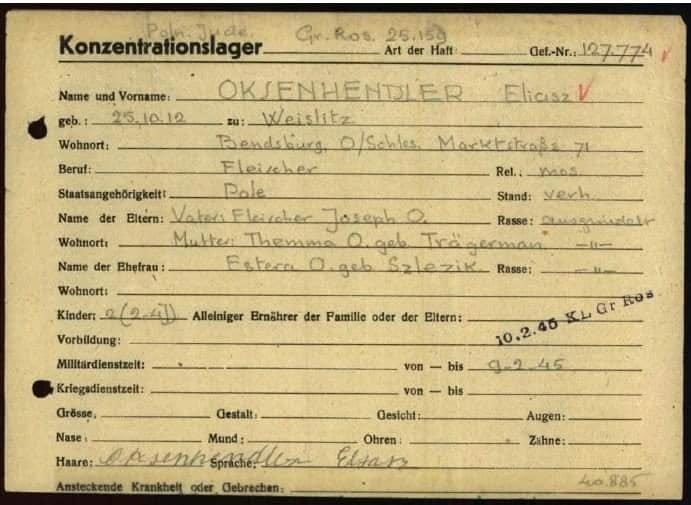
My father was 5’3” and probably weighed no more than 120 pounds before he was thrown into the first of seven concentration camps. But they couldn’t extinguish the fire within him. They took away his home. Then they took away his wife and daughters, They took away his name and he was now known only as #127774.
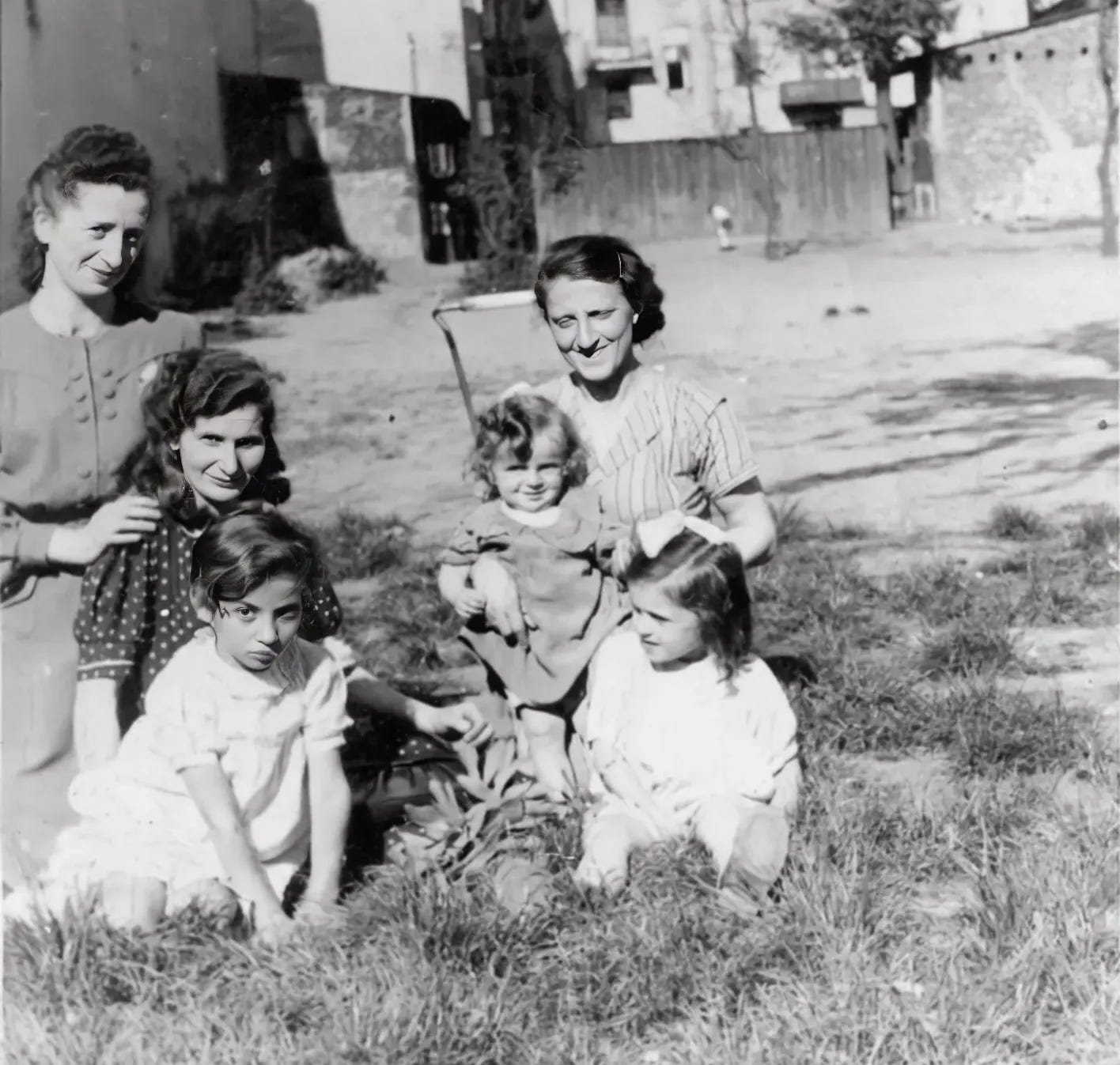
I’m not sure what went through his mind during those long three years. I’m sure he thought of his wife and children. He did not know whether they were alive. He likely had an image of their faces all the time. That connection was more secure than the electrified fences, the guard towers and the random blows he received.
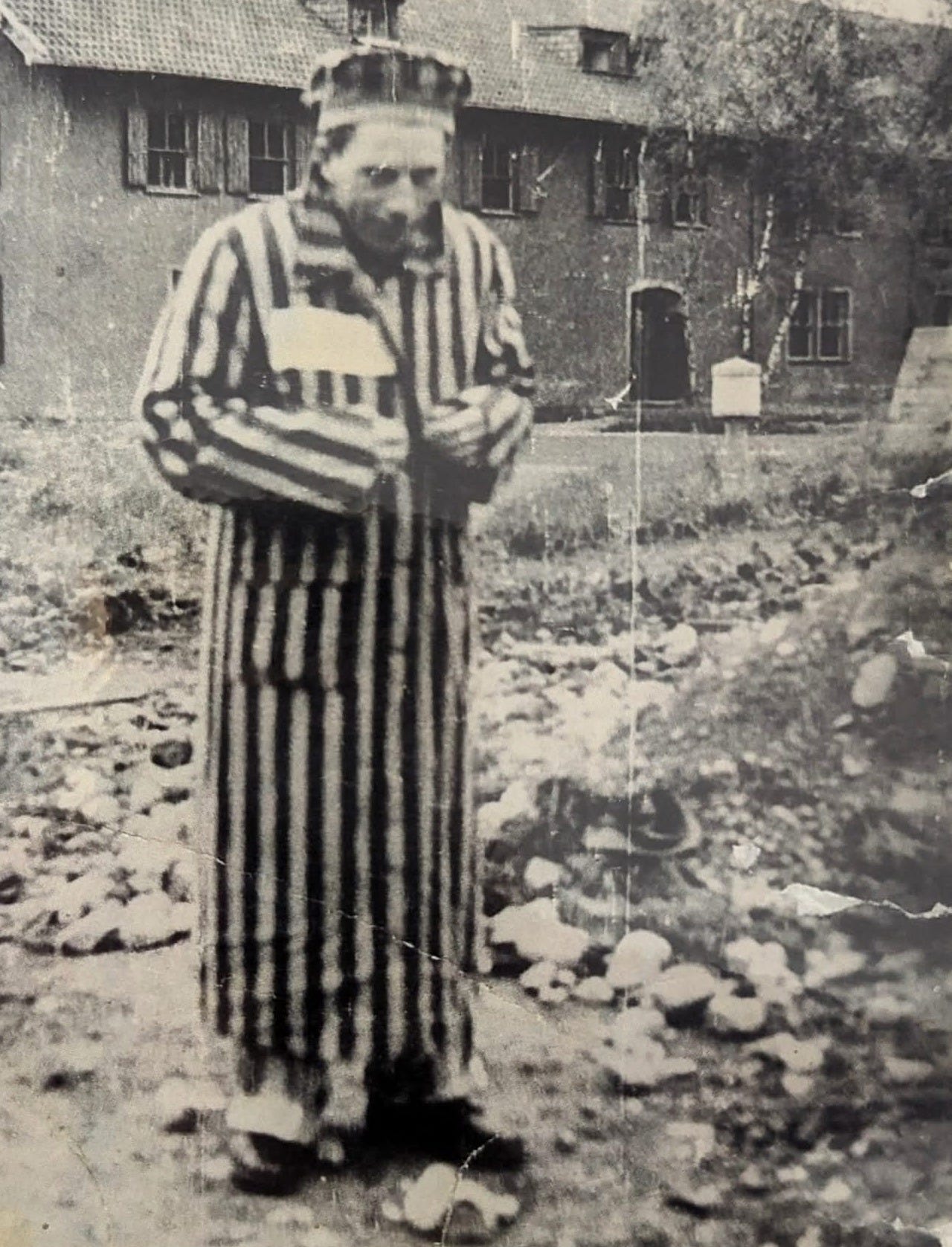
In April 1945, he was liberated. My dad emerged weighing about eighty five pounds. He was physically broken, psychologically damaged, but he was alive. Freedom brought the news he had feared. His family was dead. His parents were dead. Two sisters were dead. One brother spent 18 months in a German sanitorium with tuberculosis. His other brother was transferred to Sweden for treatment of a broken leg that had become badly infected.
Everything can be taken from a human being. Possessions. Health. Family. Freedom.
But one thing remains.
The freedom to choose how you respond to what happens to you. On International Holocaust Remembrance Day think about how you would have responded to these conditions. Would you have survived?
My memoir Out From the Shadows describes in detail my family’s experience in the Holocaust and how some were able to survive.
Willie Handler, your book, Out From the Shadows, bears witness to these unthinkable atrocities. Yet someone did think of them, and did their best to eradicate the Jewish people. Thank you for your impeccable research and dedication.
International Holocaust Remembrance Day will forever keep their memory alive.
Your question: “Would you have survived?” has been echoing in me. I don’t know. I would like to think I would have, but the camps were engineered not only to kill the body, but to grind down the will to live and I don't do well when I lose my will. So what I’m really sitting with is this: what about me would have kept me from smoking my own cigarettes? What would have kept tomorrow from disappearing?
Reading your father’s story, I’m struck by the spiritual defiance woven through Jewish survival and the insistence on humanity when everything was designed to strip it away. Even when names were replaced with numbers, Jewish culture held tight to memory, lineage, prayer, and the sanctity of life. That endurance feels like sacred resistance.
And it also makes the present feel unavoidable: antisemitism did not die in 1945. It mutates, it hides behind euphemisms, it resurfaces in “jokes,” in conspiracy, in the casual dehumanizing of Jews. Never Again can’t just be a memorial phrase, it has to be a living commitment: to recognize antisemitism early, to name it clearly, to refuse indifference, and to protect our neighbors before hatred becomes policy and violence becomes normalized.
Thank you for bearing witness through your father’s story and your family’s faces. May the memory of those who perished be a blessing, and may remembrance strengthen our courage not only to mourn, but to act.